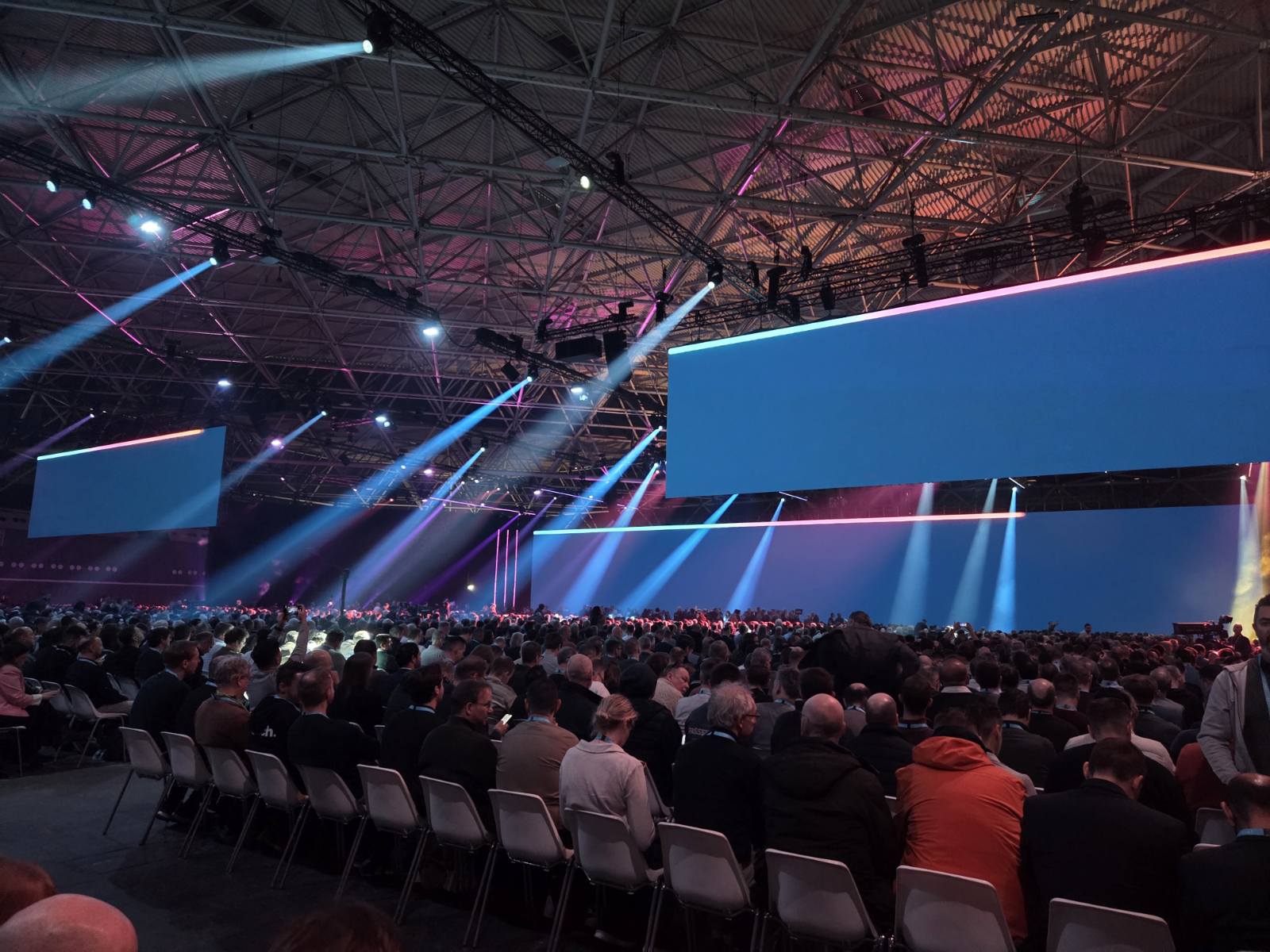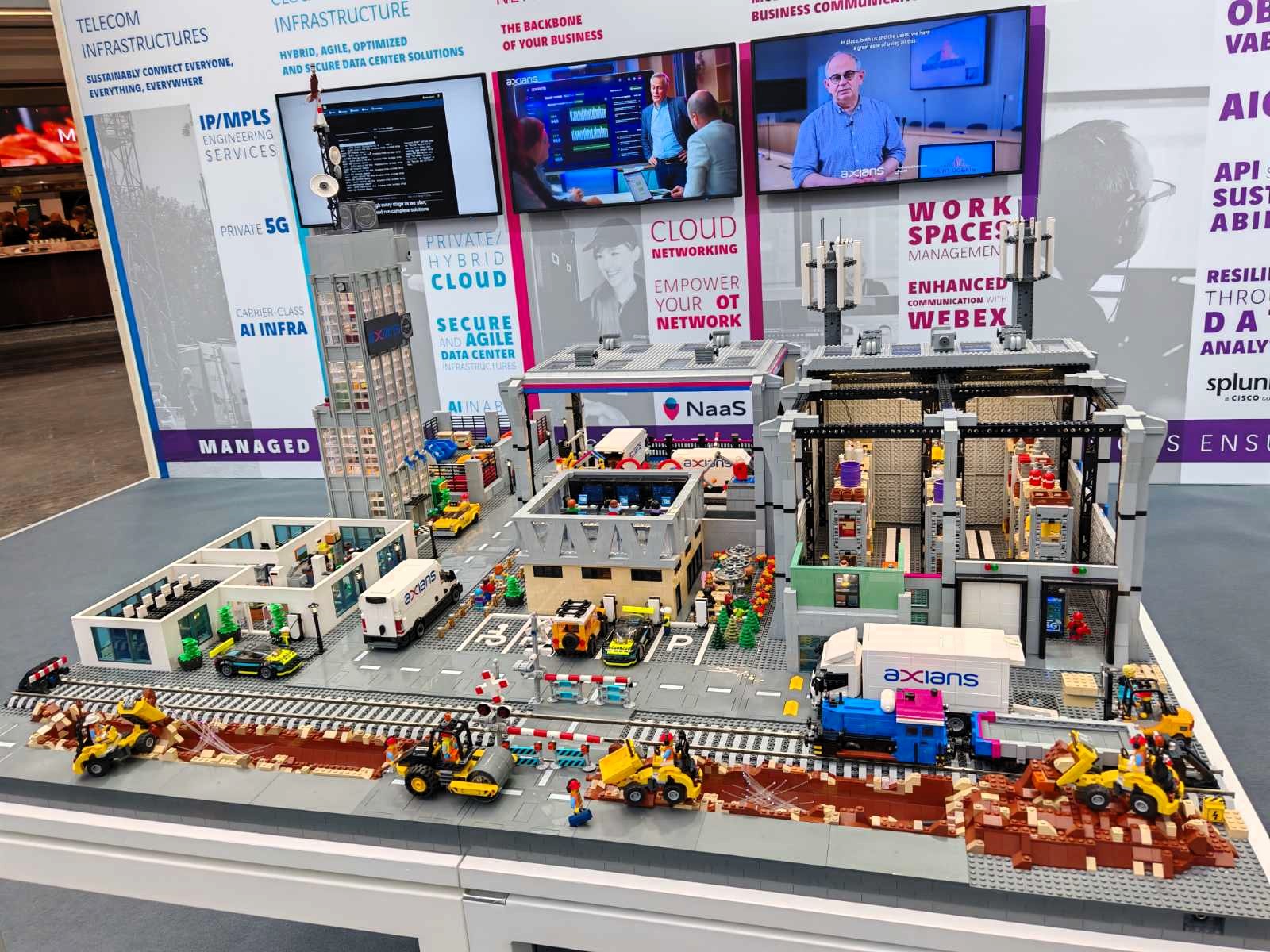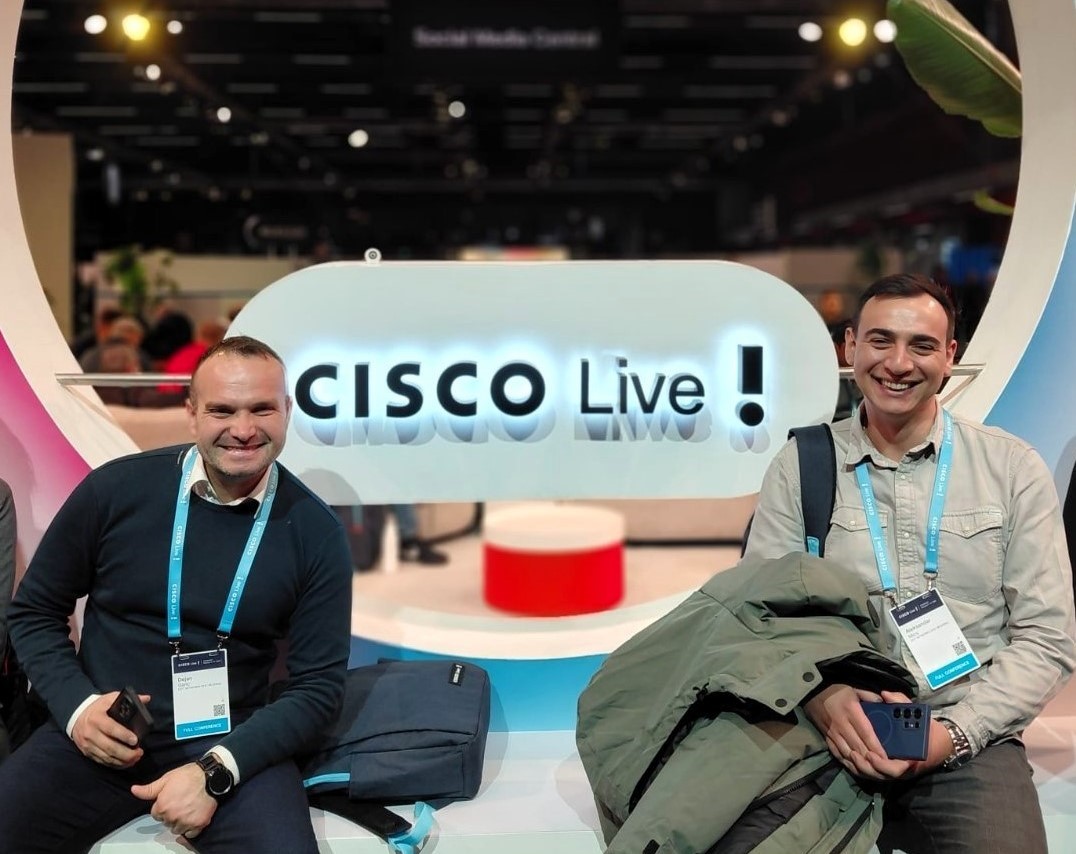


The Cisco Live EMEA 2026 event, held in Amsterdam from February 9th to 13th, confirmed that the global IT and telco industries are entering a new phase – one in which artificial intelligence becomes an integral part of network, security, and data center architecture.
This year’s conference, organized by Cisco Systems, was marked by a clear strategic shift towards AI-driven systems, operational automation, and building infrastructure ready to handle the massive data loads of the future.
Key Topics Highlighted at the Conference
- The Era of Agentic AI
AI systems no longer function solely as assistants – they are becoming autonomous actors that optimize network performance, detect anomalies, and execute complex tasks within network and security environments, with minimal administrator intervention. - Revolutionary Hardware for AI Workloads
Cisco’s Silicon One G300 chip was introduced, delivering 102.4 Tbps and designed to support massive AI workloads with up to 70% higher energy efficiency compared to previous generations – a critical step towards building an AI-ready backbone infrastructure. - Digital Sovereignty and Security
A particular emphasis was placed on European regulatory requirements, local data storage, and air-gapped environments – of crucial importance for operators and organizations operating in regulated sectors. - Sustainability and Energy Efficiency in Data Centers
The new architecture demonstrates the potential to reduce the energy footprint of data centers by up to 50%, while simultaneously improving performance and scalability.
What This Means for Our Clients
For Dot Networks, the insights from Cisco Live EMEA 2026 provide a clear strategic direction for future development:
- Building AI-ready network infrastructure for telco and enterprise environments
- Enhancing security architecture in the context of autonomous systems
- Modernizing data centers with a focus on energy efficiency and scalability
- Implementing solutions that comply with digital sovereignty requirements and regulatory standards
The conference was also an opportunity to meet with partners and clients, exchange experiences, and plan future projects aimed at modernizing networks and developing infrastructure that meets the demands of the next decade of digital services.